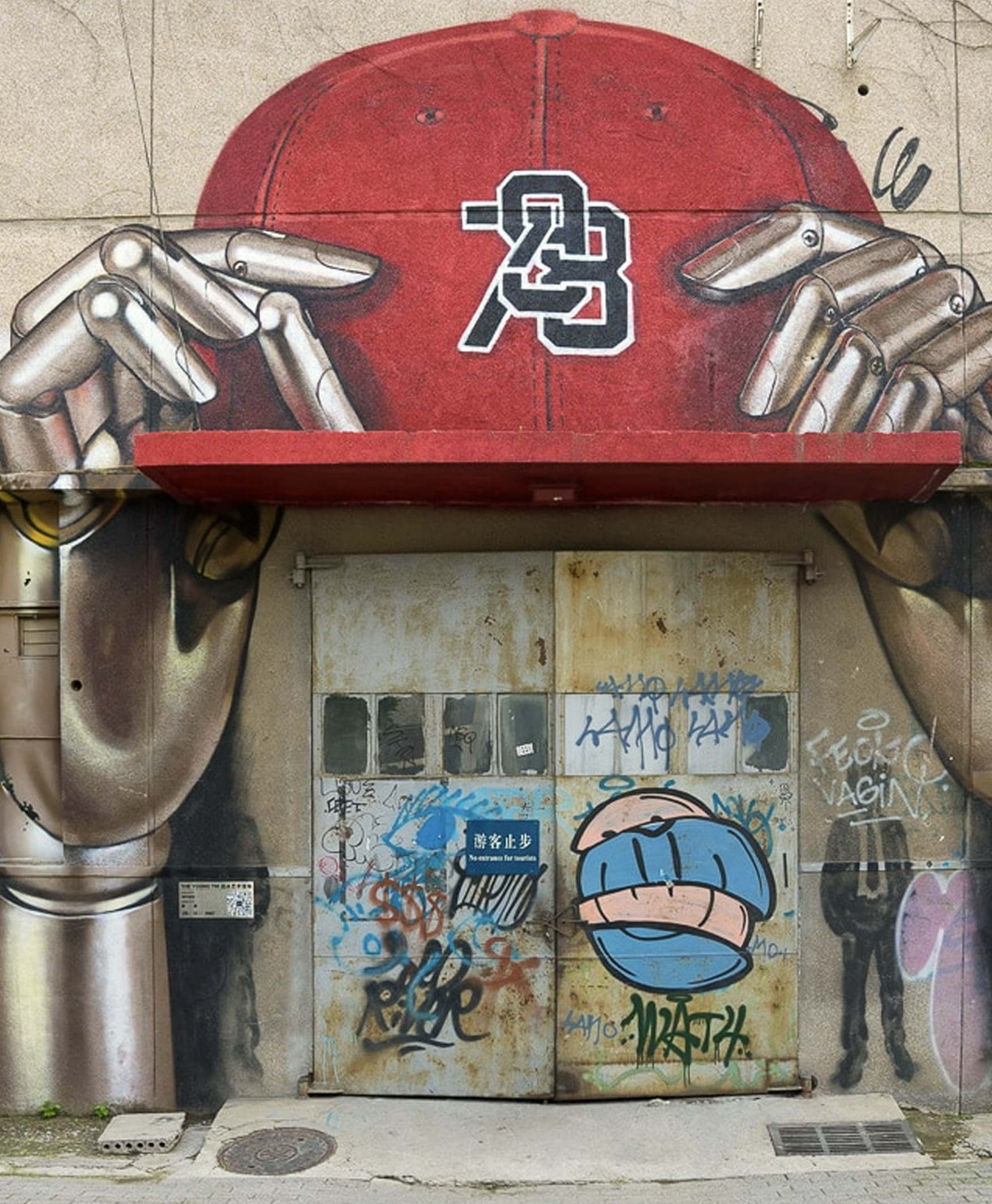
We begin our journey in the heart of contemporary Beijing: the 798 Art District, a sprawling labyrinth of creativity set within a series of decommissioned military factories. These Bauhaus-inspired structures, built in the 1950s with East German assistance, now stand repurposed as galleries, studios, boutiques, and cafes — a fusion of industrial aesthetic and artistic evolution. The exposed pipes, high ceilings and concrete walls create the perfect backdrop for installations that challenge the eye and provoke thought.
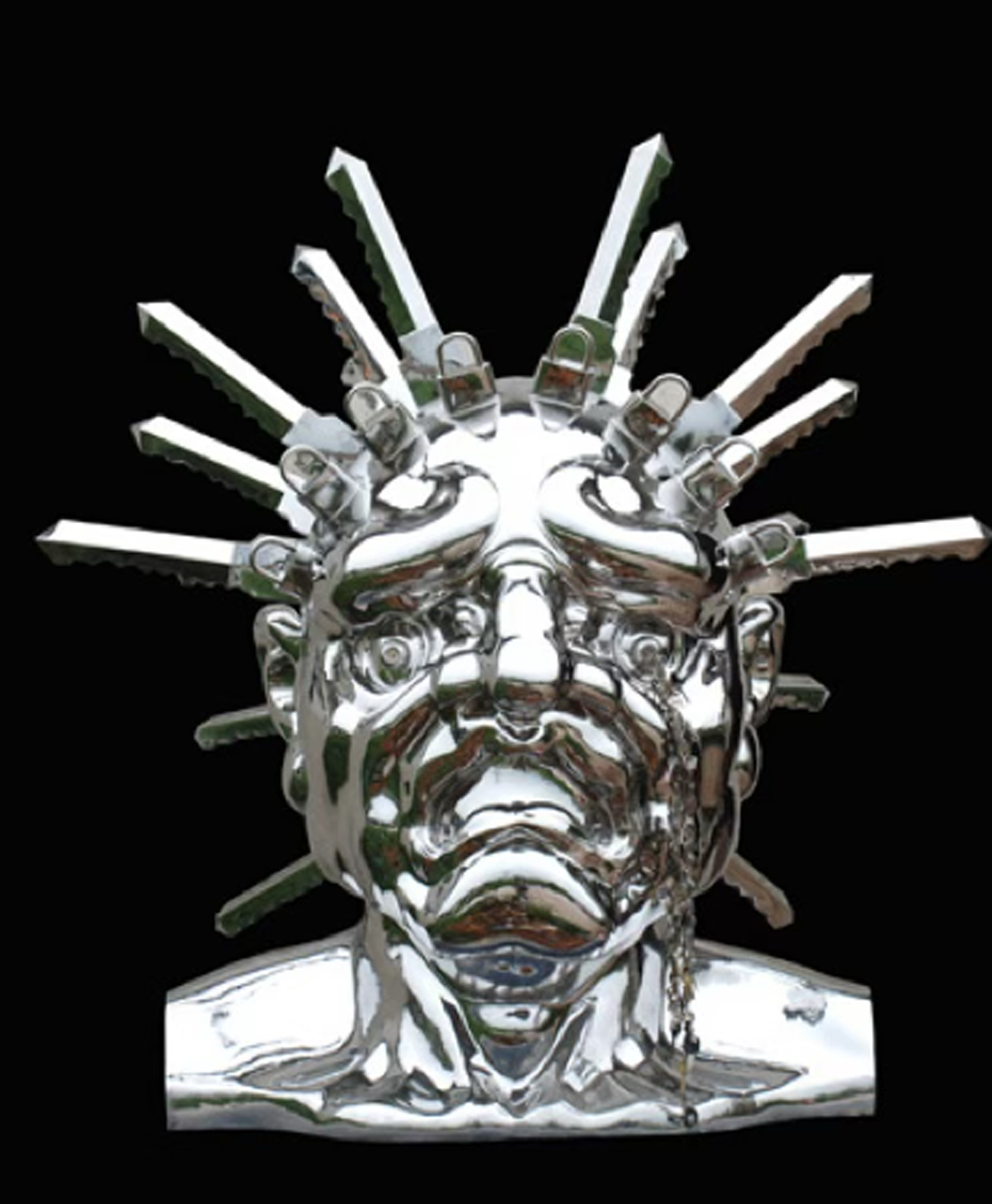
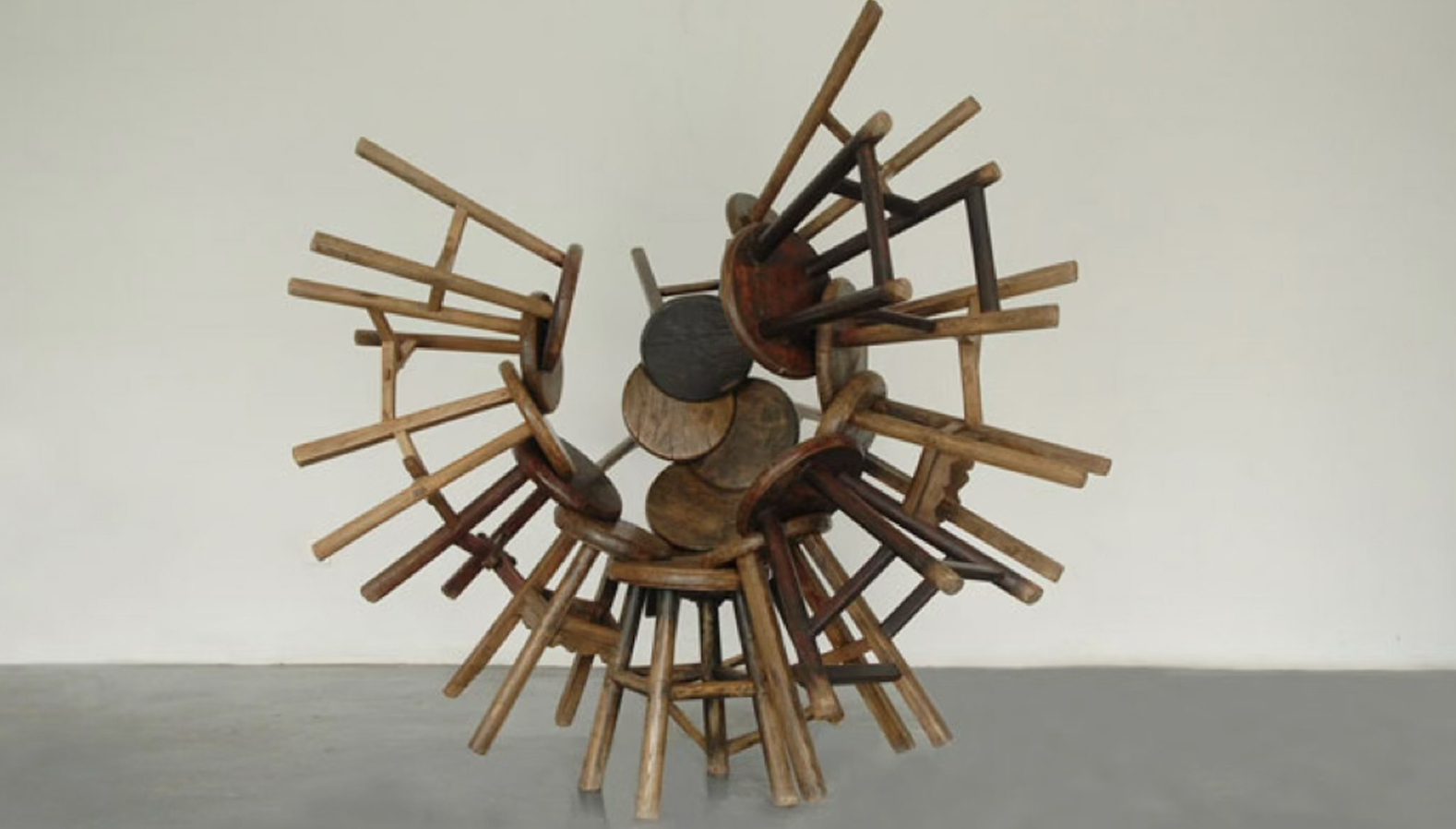
We wander through galleries in the early afternoon light. Each space offers a different voice: one gallery may present politically charged graffiti, another an immersive light experience that reflects the pulse of Beijing’s increasingly global cultural discourse. We pause in front of works that blur lines between abstraction and realism — reflections of China’s rapid transformation, painted, sculpted, or built from layered media.
By midday, we arrive at the heart of our experience: the legendary Shenji Restaurant, the oldest and most storied dining institution in the 798 Art District. Stepping inside this unpretentious, family-run venue feels like entering the living room of Beijing's contemporary art movement. For decades, these very tables have hosted the pioneer artists, curators, and collectors who shaped the district. Surrounded by a gritty, authentic atmosphere that mirrors the history of 798, we gather for a private lunch. The family kitchen presents a curated spread of comforting and inventive Jiangnan dishes: handmade dumplings filled with mushroom and coriander, a local variation of chilled noodles infused with rich sesame, and tea-smoked duck that harmonizes spice and smoke perfectly.
We’re not dining alone. A local contemporary artist joins us—a painter whose creative journey is deeply intertwined with the evolution of this neighborhood. They bring rare insight into how modern Chinese creators carve out their space within and beyond state-sanctioned narratives. As we share local food and wine, we listen. They speak of inspiration drawn from Beijing's historic hutongs, city noise, old traditions, and global art movements. Their honesty adds texture to the meal—sharing raw stories of artistic solitude, underground collaboration, censorship, and creative pride.
PROGRAM CONCLUDES