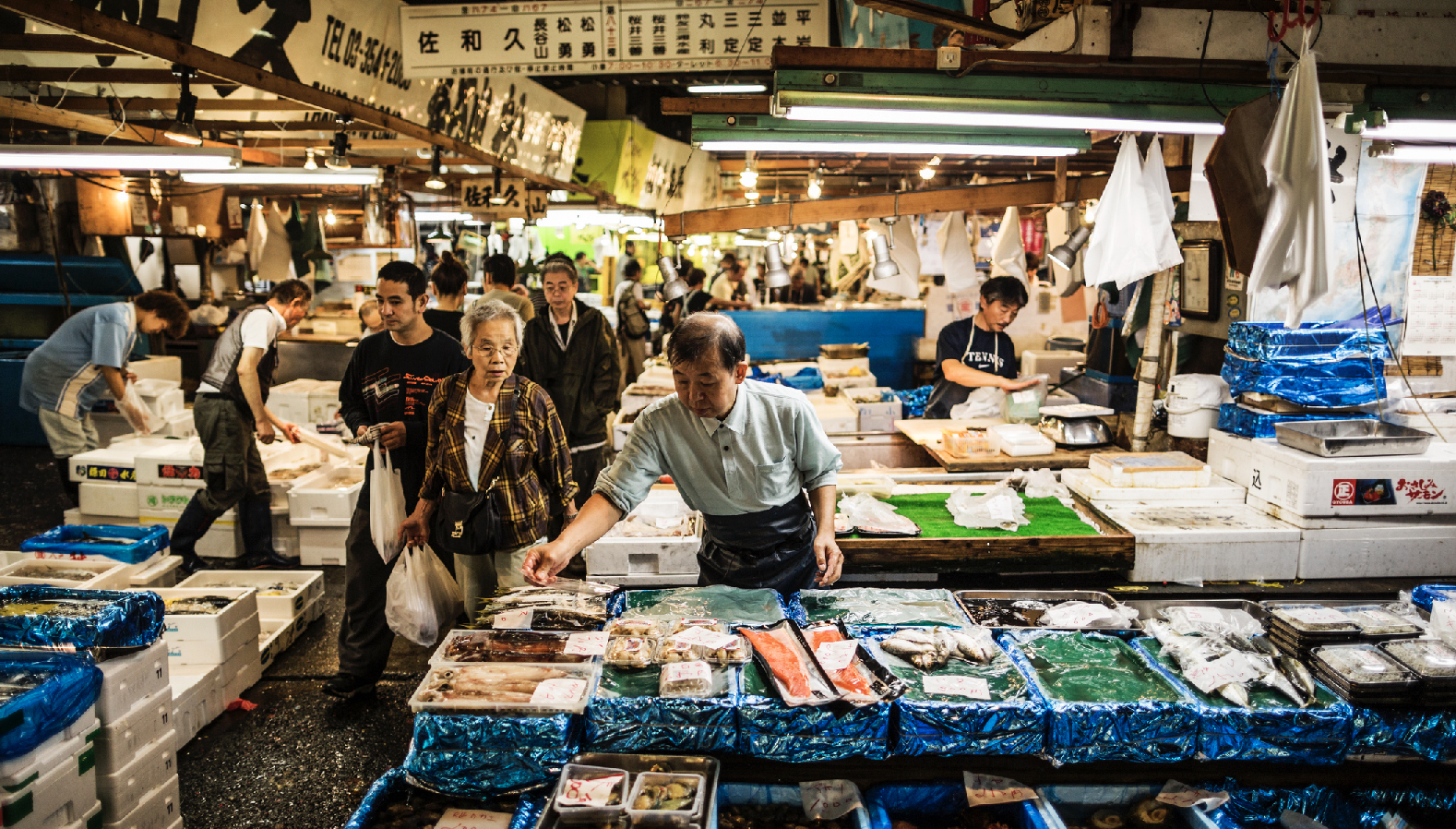
We start our day with a visit to Omicho Market. This colorful food market has been around since the Edo Period (1603 – 1868) and is home to over 200 stalls and restaurants. Omicho is known for seasonal specialties from the abundant Sea of Japan – from Snow Crab in the winter to Kan-buri (fatty yellowtail) in the spring.
We will explore the stalls, winding our way through the bustling crowds to seek out the best in-season ingredients. Learn how to spot the freshest produce, shop where local chefs and restaurateurs shop, and choose fresh seafood and vegetables that we’ll use during our cooking class.
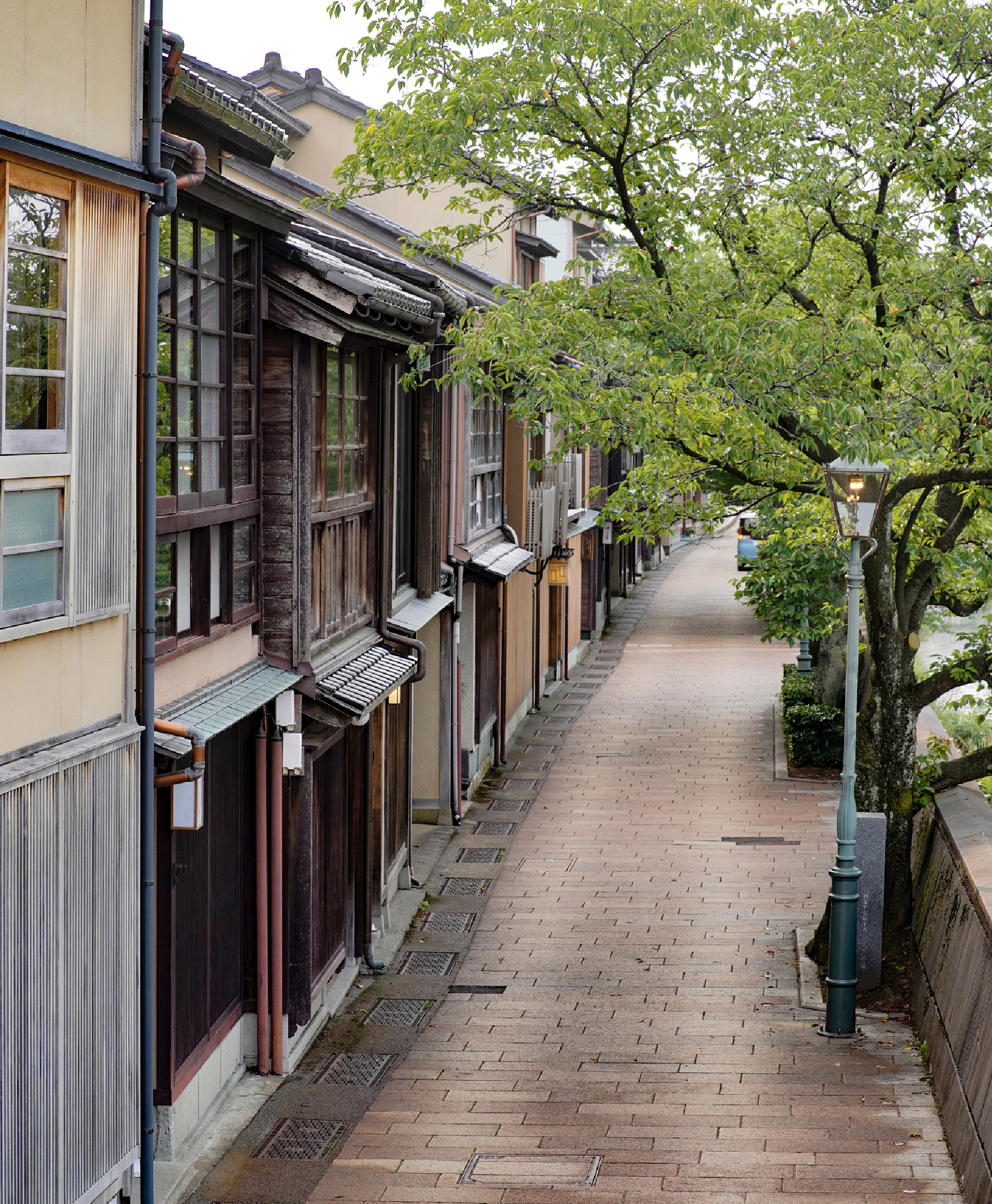
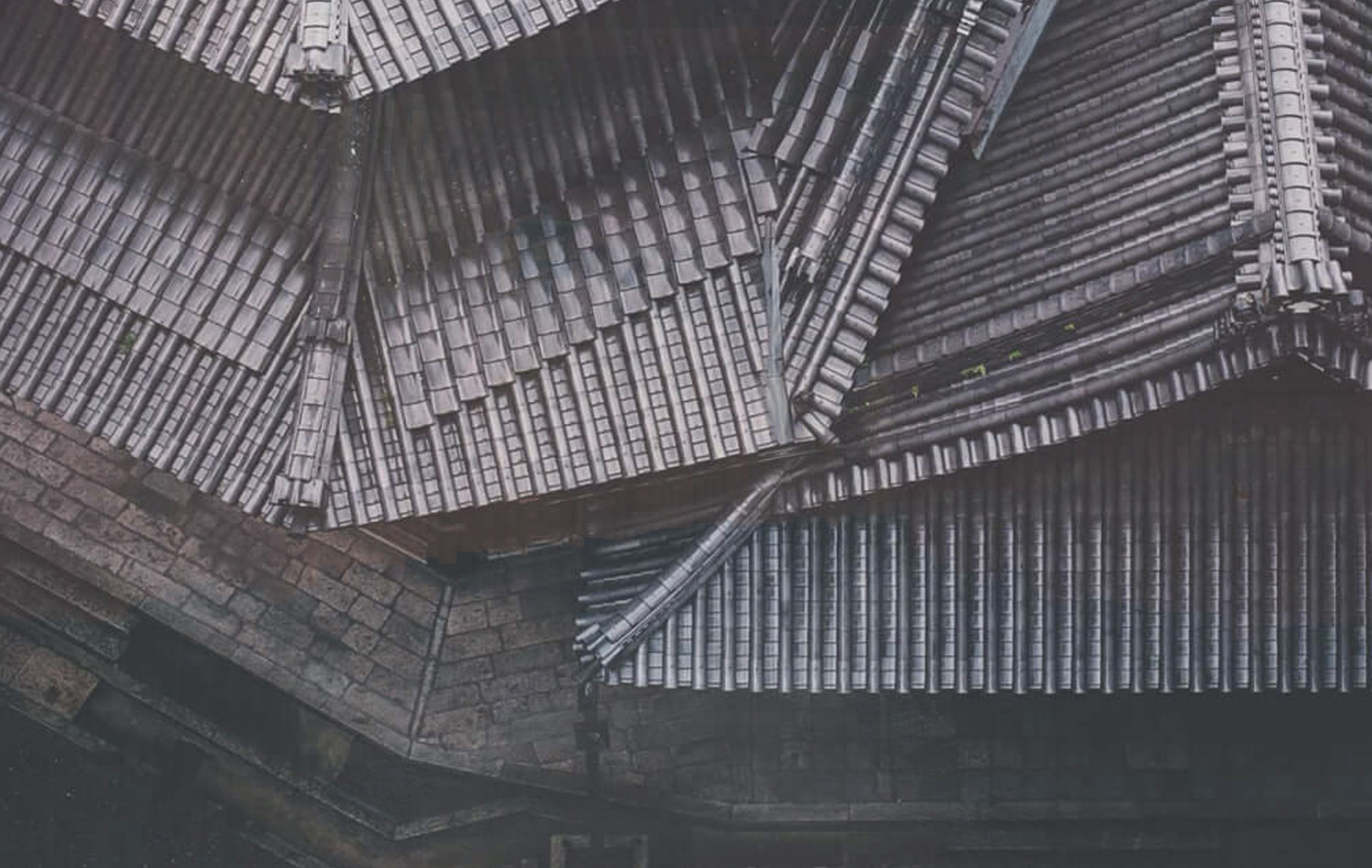
A short walk from the market brings us to a traditional Machiya style wooden house. These houses are famous in Kanazawa, particularity in the tea district and samurai districts. They are narrow and long, with a storefront facing the street and living quarters located behind it. They are typically made of wood and feature a sloping roof with clay tiles.
Machiya houses were originally built during the Edo period (1603-1868) and were used as both residences and shops for merchants and craftsmen. They are an important part of Japan's cultural heritage, and offer a glimpse into the country's rich history and architecture.
For lunch today we will be making temari sushi, a small, ball-shaped sushi. The process of making temari sushi is similar to making regular sushi, with the exception that the sushi is not rolled into a cylindrical shape using a bamboo mat. Instead, a small amount of sushi rice is formed into a ball using the fingers and palm of the hand. Then, toppings such as fish, cooked seafood, vegetables, or egg are added on top of the rice ball and pressed gently into the rice.
The small size and colorful appearance of temari sushi make it a popular dish for special occasions such as weddings and festivals.
Whilst making sushi may seem easy, the techniques involved are an art form and have been practiced and perfected for thousands of years. From creating the ideal sushi rice, perfecting the temari-sushi shape, to learning new tips and tricks on food presentation, our chef will guide you through the process.
You can customize your toppings, and choose from ingredients that you know and love -- or if you are the adventurous type, create sushi using locally-loved traditional ingredients.
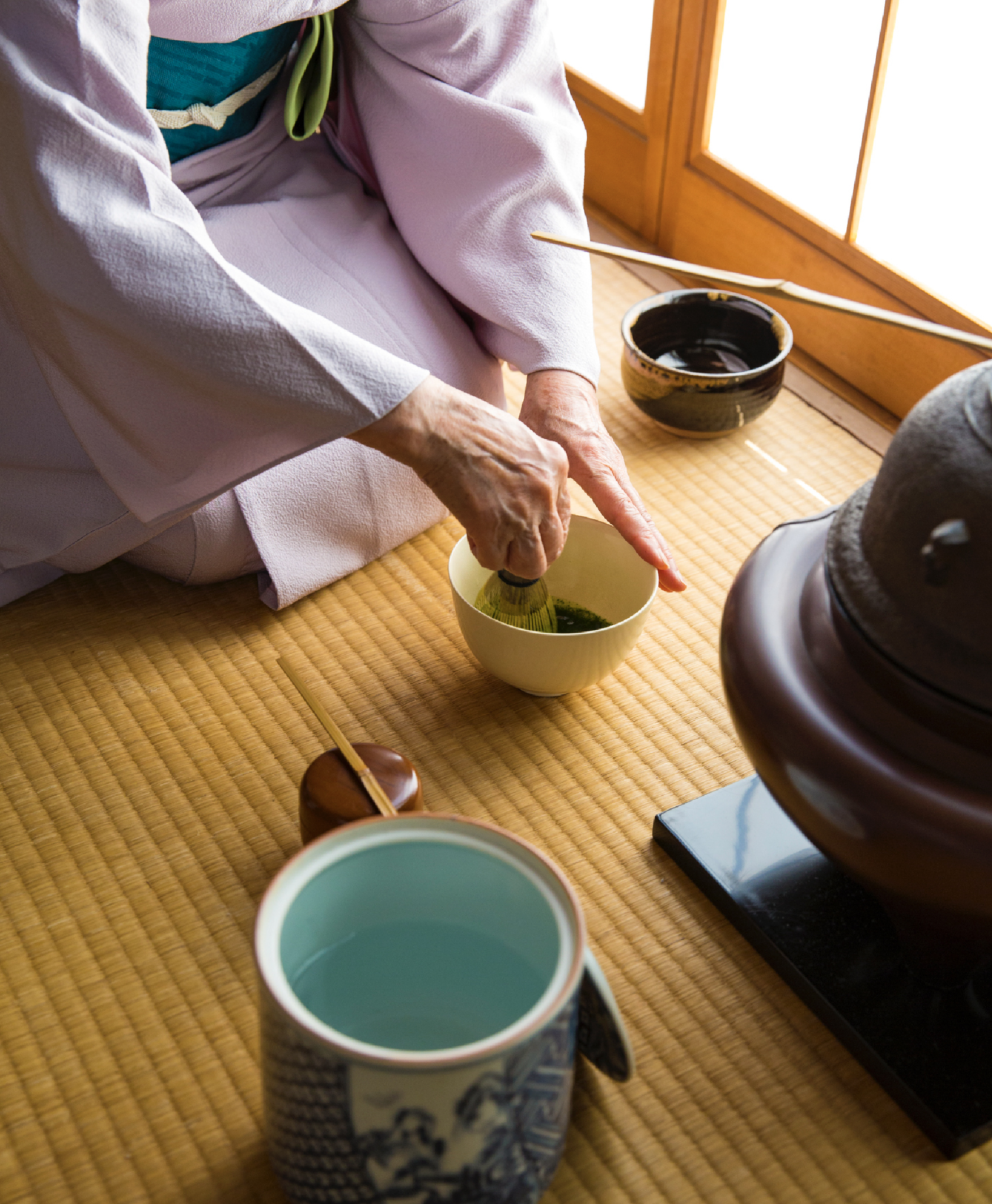
After the meal, we have a small tea ceremony to conclude the day’s activity. With its intricate rituals, handmade tea bowls and intricate sweets, tea ceremony is a celebration of nature and human connection and a true glimpse into the soul of Japan.
PROGRAM CONCLUDES